
How can residents celebrate holidays in assisted living?
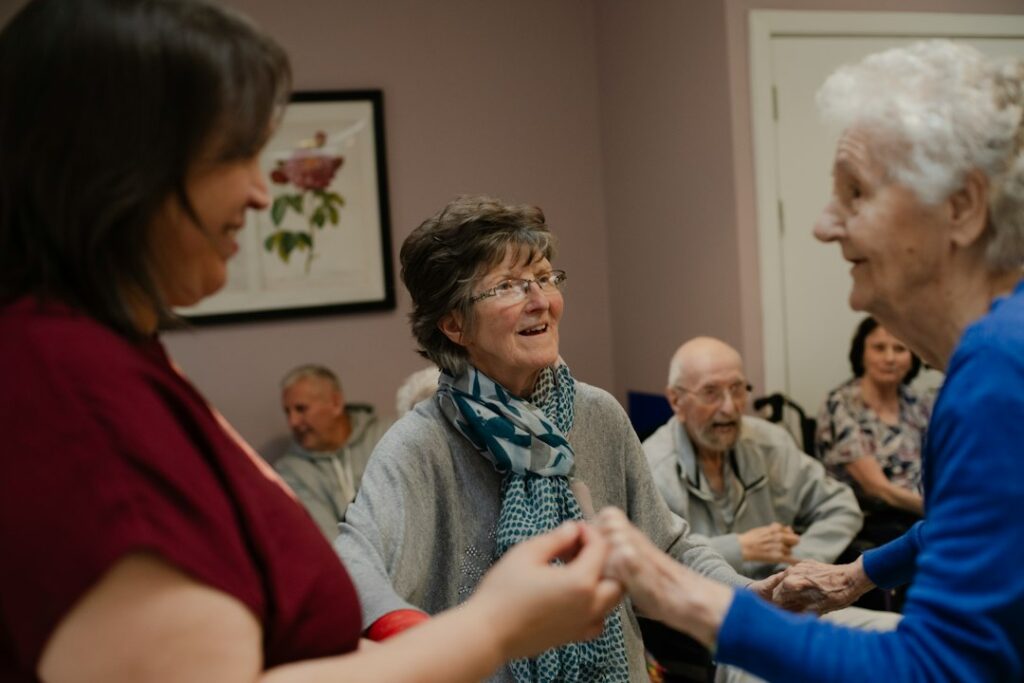
Residents can celebrate holidays in assisted living through familiar traditions, shared activities, family visits, spiritual practices, and simple seasonal routines. The celebration does not need to be large or elaborate. Meaning usually comes from comfort, recognition, and participation.
Holiday traditions may include decorating a room, listening to familiar music, preparing a favorite recipe, exchanging cards, watching a seasonal program, or telling stories about past celebrations. Staff members and family caregivers can help residents choose activities that reflect personal interests, cultural background, faith, and energy level.
A holiday can also be meaningful for someone who does not celebrate a particular occasion. Seasonal gatherings, winter crafts, music programs, visits with children, or shared meals can provide connection without requiring participation in a religious or traditional event.
What holiday activities work well in assisted living?
The most successful activities are flexible, familiar, and easy to join for a short time. Residents should not have to remain for an entire program or complete a craft perfectly.
Useful options include:
- Decorating a small tree, wreath, tabletop display, or apartment door
- Making greeting cards for relatives, neighbors, or community groups
- Listening to holiday music from different decades
- Watching classic films or recorded performances
- Sharing family recipes and food memories
- Creating simple ornaments, centerpieces, or paper decorations
- Reading seasonal poetry, stories, or religious passages
- Hosting a hot chocolate, tea, or dessert gathering
- Looking through family photographs from past holidays
- Holding a sing-along with familiar songs
- Organizing a quiet remembrance activity for people who have died
Activities can be adapted for residents with limited vision, hearing loss, arthritis, memory changes, or reduced mobility. For example, a resident who cannot participate in a craft may still choose colors, sort materials, listen to music, or direct another person.
How can families include a loved one who has memory loss?
Families should focus on emotional connection rather than testing memory. A resident may not remember the date, the names of visitors, or details from previous holidays, but familiar music, scents, decorations, and gentle conversation can still feel comforting.
Helpful approaches include:
- Bringing one or two familiar items instead of a large collection of decorations
- Looking at photographs and discussing what is visible rather than asking, “Do you remember this?”
- Singing songs together without correcting forgotten words
- Offering simple choices, such as “Would you like the red ornament or the silver one?”
- Visiting at a quieter time if large gatherings are overwhelming
- Keeping conversations short and allowing breaks
- Avoiding repeated questions about plans, dates, or people who are not present
Holiday gatherings may need to be shorter than they were in the past. A 30-minute visit with one or two family members may be more enjoyable than a long, crowded event.
How should holiday visits be planned?
Holiday visits are easier when families coordinate with the assisted living community in advance. Visitors should ask about visiting hours, room capacity, scheduled programs, food policies, and any temporary health precautions.
Winter weather in Blakely can make travel more difficult, especially during snow, ice, or rapidly changing temperatures. Families may need a backup plan, such as a video call, recorded greeting, phone conversation, or delayed visit. A postponed visit can still be meaningful if the resident understands that safety affected the timing.
Before visiting, consider the resident’s usual routine. Someone who becomes tired in the afternoon may enjoy a morning visit. Someone who prefers quiet may benefit from a private room gathering rather than a busy common area.
Visitors should also avoid arriving with unexpected numbers of guests. Crowded rooms, loud conversations, and frequent movement can cause stress, particularly for residents with dementia, hearing impairment, or anxiety.
Can residents decorate their rooms?
Many residents can decorate their rooms, but decorations should be safe, manageable, and approved under the community’s rules. Lightweight, non-breakable items are generally easier to handle than glass ornaments, candles, or large displays.
Before bringing decorations, families should consider:
- Whether walkways, doorways, exits, or medical equipment could be blocked
- Whether cords could create a tripping hazard
- Whether an item is difficult to clean or likely to collect dust
- Whether the resident can safely reach and use the decoration
- Whether open flames, heated items, or scented products are restricted
- Whether a roommate is comfortable with the display

Battery-operated lights may be permitted in some settings, but they should never be assumed to be acceptable without checking first. Decorations should also be labeled when possible, especially if residents share common storage areas.
How can holiday meals be made comfortable and safe?
Holiday meals should account for dietary needs, swallowing concerns, food allergies, diabetes, medication schedules, and personal preferences. A festive meal does not have to be rich, large, or unfamiliar.
Families can make meals more comfortable by bringing small portions, choosing foods the resident already enjoys, and avoiding pressure to eat. Some residents may prefer a familiar breakfast or dessert rather than a formal holiday dinner.
Foods that are hard, sticky, dry, or difficult to chew may be unsafe for certain residents. Families should follow the resident’s prescribed diet and ask staff before bringing homemade food. Food should also be labeled with the resident’s name and date if it will be stored.
The meal itself may be less significant than the shared experience. Setting the table, discussing family recipes, or listening to music can help a resident participate even if eating is limited.
How should grief and difficult emotions be handled during holidays?
Holidays can bring sadness, loneliness, grief, or confusion. A resident may be missing a spouse, sibling, friend, home, or former role in the family. Cheerful activities should not be used to dismiss those feelings.
A supportive response might be, “This time of year brings back many memories,” or “It sounds like you are missing someone.” Listening is often more helpful than trying to change the subject immediately.
Some residents may prefer a remembrance ritual, such as lighting an approved battery-operated candle, displaying a photograph, saying a prayer, or sharing a favorite story. Others may want an ordinary day without holiday attention. Both choices should be respected.
If sadness, anxiety, withdrawal, or confusion becomes severe or continues beyond the holiday period, families should share their observations with the resident’s care team. Changes in mood can sometimes signal an unmet medical, emotional, or practical need.
What if a resident does not want to participate?
Participation should remain voluntary. A resident may decline a party, decoration, visit, gift, religious service, or group meal. Refusal may reflect fatigue, sensory overload, grief, unfamiliar surroundings, or simply personal preference.
Offering a quieter alternative can help:
- A private visit instead of a group event
- Music through headphones
- A favorite meal on another day
- A phone call rather than an in-person gathering
- A seasonal card or photograph
- Time outdoors when weather permits
- A regular daily routine with no holiday programming
The goal is not to recreate every tradition from the past. It is to help the resident feel respected, connected, and comfortable during a season that may carry both happy memories and difficult changes.
