
How Can Assisted Living Help Couples Stay Together?
Assisted living communities are designed to offer more than just personal care—they can help couples stay together as they age, even when each partner’s needs may differ. In Blakely, PA, many older couples want to maintain their shared routines and close companionship, but may face practical challenges at home, such as mobility concerns or managing daily tasks. An assisted living setting can bridge the gap, providing flexible support so both people can keep living side by side.
Assisted living staff adapt services for each person, coordinating plans that let couples retain privacy while ensuring each partner gets the help they require. This way, one spouse can receive more assistance without separating from the other, helping area couples avoid a disruptive move apart.
What Daily Life Looks Like for Couples in Assisted Living?
Couples usually share a suite or apartment, enjoying much of their familiar lifestyle, but with added safety and convenience. Meals, housekeeping, and laundry are provided, reducing strain on both partners. Residents can continue their own routines—like morning coffee or evening TV—while knowing that help is nearby for things like bathing, dressing, or medication reminders.
In the area community, couples participate together in social activities, outings, and events. Many spend time in shared lounges or outdoor patios, while also having the privacy of their own space when they want it. The schedule can be as independent or assisted as each couple prefers.
Can Couples Receive Different Levels of Support?
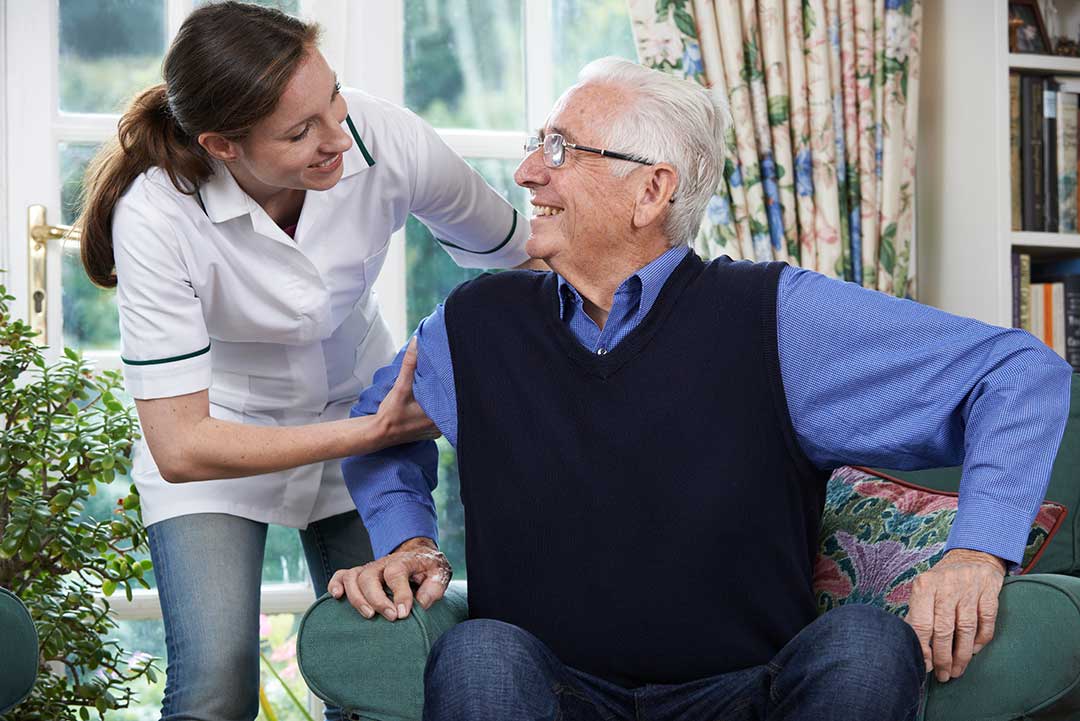
Yes, this is a core benefit. It’s common for one partner to need extra care—for example, assistance after a surgery, help managing a chronic condition, or support with memory. In these cases, assisted living offers flexible care plans. Staff can help one spouse more than the other without changing the couple’s living arrangement.
This approach lets couples remain in a shared suite or apartment, rather than splitting households or moving one partner into a different type of care. Specialized support can be gradually increased only for the spouse who needs it, while the other maintains their independence.
How Does Assisted Living Foster Social Connections for Couples?
Staying active and connected is important for couples’ well-being. Local assisted living communities host events, clubs, and recreation tailored to both individuals and pairs. Couples often join group meals, participate in games or exercise classes, or celebrate holidays together. This creates opportunities to make new friends, which can ease the transition for both partners.
Joint activities like walks through landscaped grounds, arts and crafts, or musical programs can strengthen bonds and bring enjoyment, while offering a comfortable setting for each person to find fulfillment both within and outside the couple relationship.
What Housing Options Are Available for Couples?
Accommodations for couples generally include shared suites, one-bedroom apartments, or larger units with private bathrooms. The space is designed with accessibility features—grab bars, step-free showers, and emergency call systems—supporting the varied needs that may arise with aging.
Couples decorate these living spaces with their own furnishings, family photos, and cherished possessions, making the environment feel personal and comforting. This helps maintain a sense of home, even with the shift to community living.
What About Privacy and Independence?
Some worry that moving to assisted living means losing privacy or autonomy. In practice, the goal is to balance support and independence. Couples have their own locking doors and private space; staff knock and ask permission before entering, except in emergencies.
Residents set their own daily routines, choosing when and how to participate in activities or meals. Couples are free to enjoy time together, host family visits, or pursue separate hobbies, with respectful assistance available only as needed.
Are Pets or Personal Belongings Allowed?
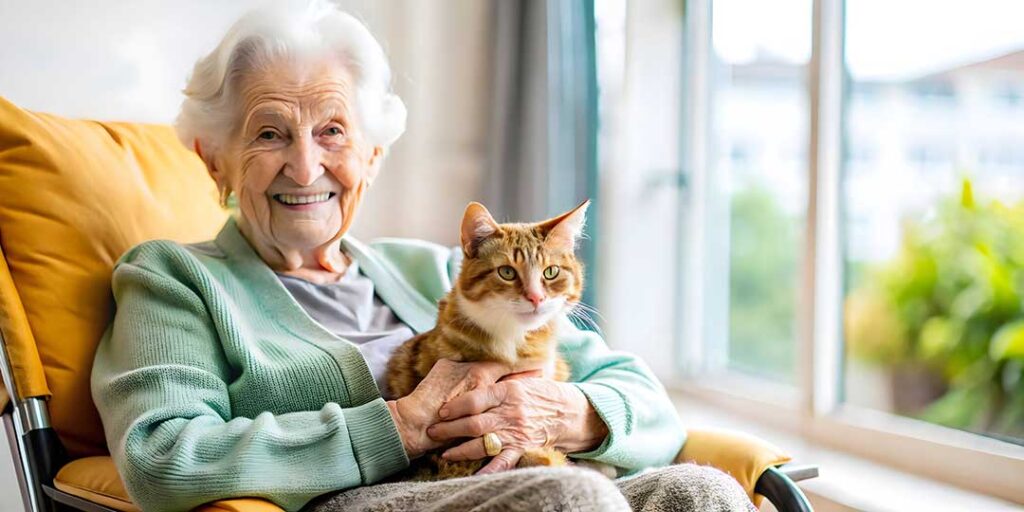
Many assisted living communities in Blakely recognize the importance of pets and meaningful items for emotional well-being. Some allow small pets with guidelines for care, understanding that animals are often a cherished part of a couple’s life. Bringing personal furniture, favorite quilts, or family art helps preserve identity and makes new surroundings feel familiar.
What Should Couples Consider Before Moving to Assisted Living?
Thinking ahead about both immediate and future needs can help couples choose wisely. Some key points to discuss include:
- The level of care each partner may need now and in the future
- The size and features of available living spaces
- Flexibility in care plans if one person’s health changes
- Policies about visitors and overnight stays by family
- Rules about pets and bringing personal belongings
- Opportunities for activities, outings, and community connections
Visiting different communities, talking with current residents, and looking at the physical environment can help local couples feel more confident as they plan this next chapter together.
